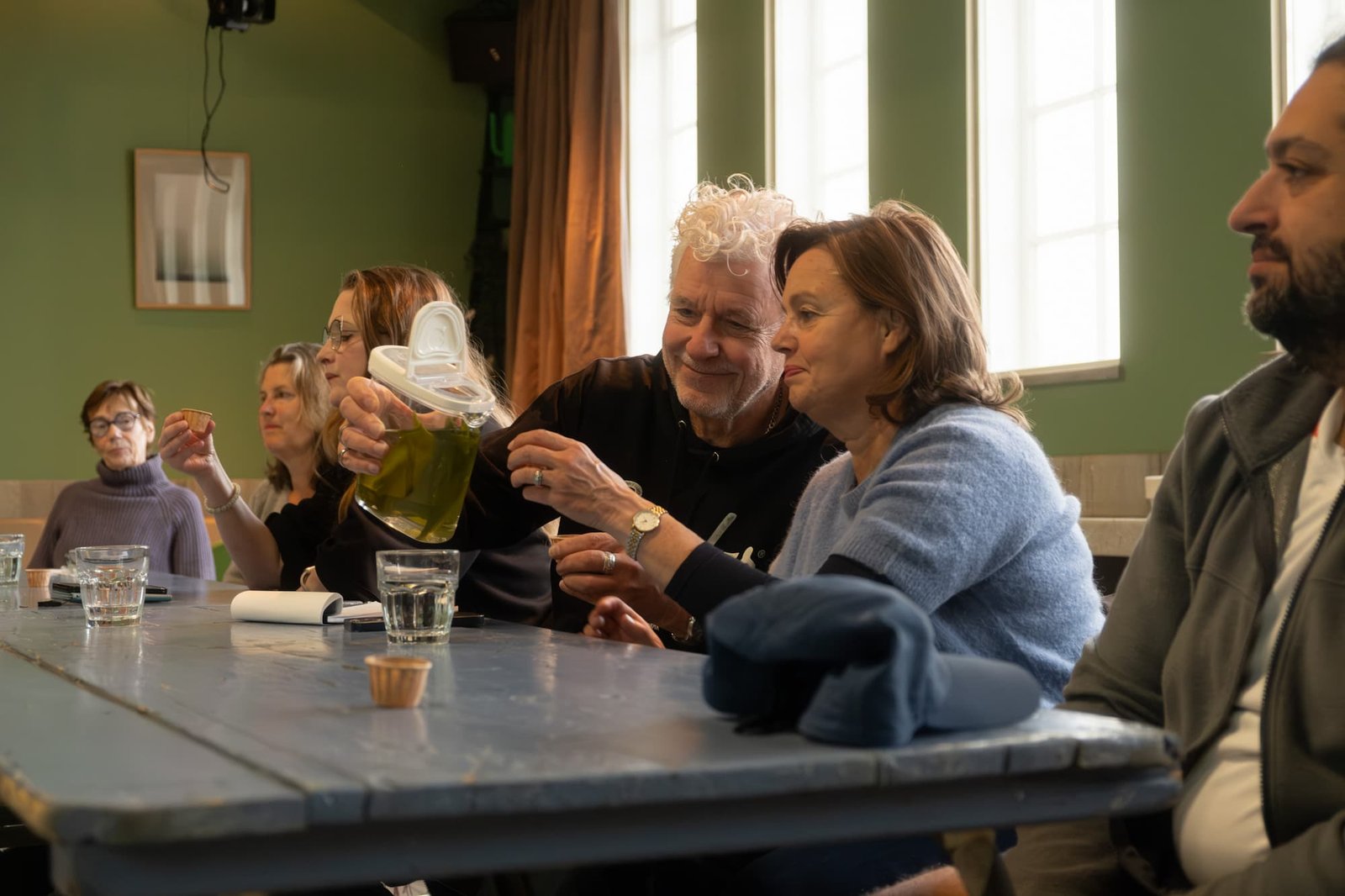
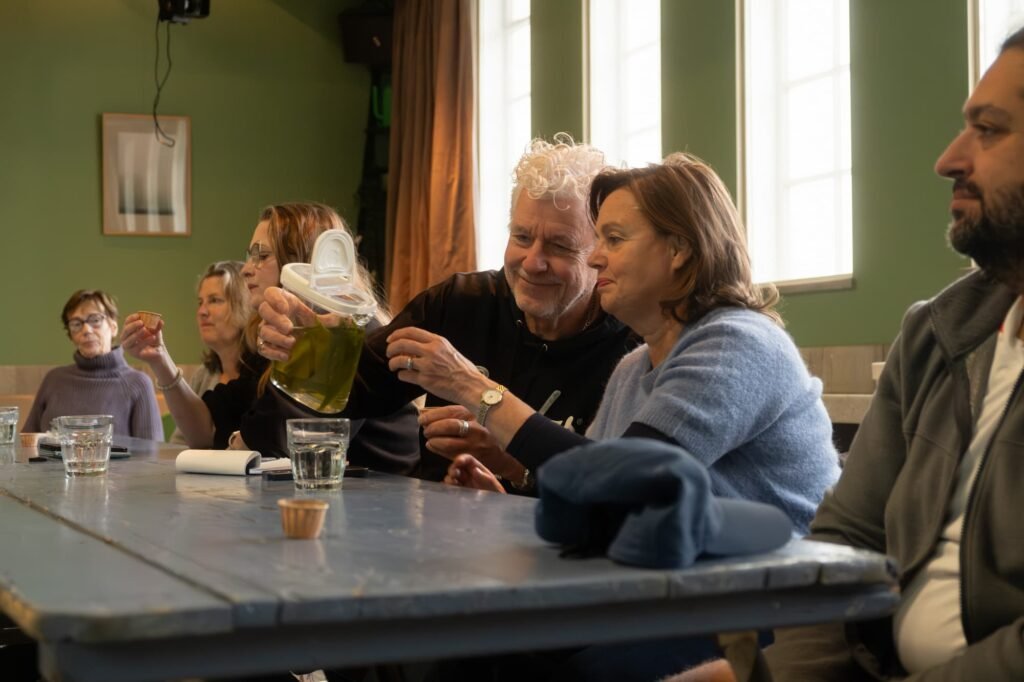
An Interactive Journey Through Taste, Memory, and Culture
Umami is often described as the fifth taste.
But it is also a story of preservation, memory, culture, and human survival.
This workshop is an invitation not simply to learn about umami, but to experience how taste connects people, places, and histories.
What will change after this experience:
- You will no longer think of umami as “Japanese” or “Asian”— but as a universal structure across cultures
- You will begin to recognise umami in places you never noticed before
- You will understand flavour not only as taste, but as process and time
- You will begin to think differently about how flavour is created
- You will see how taste connects to sustainability, memory, and human survival
This workshop’s outline
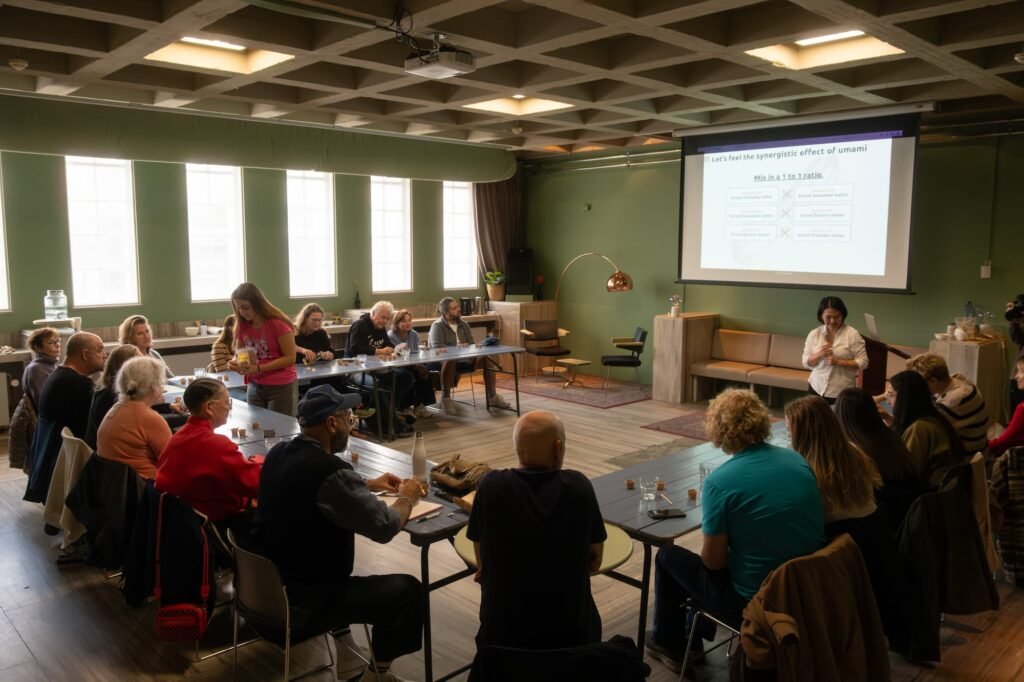
Through science, tasting, culture, and cooking, this workshop explores umami not as a Japanese concept, but as a universal human experience.
Participants journey through five interconnected doors:
- Attention — the science of taste, satisfaction, and perception
- Difference — tasting umami across Japanese and European ingredients
- Culture — fermentation, preservation, and cultural memory
- Composition — creating flavour through umami synergy
- Nourishment — sustainability, wellbeing, and the future of food
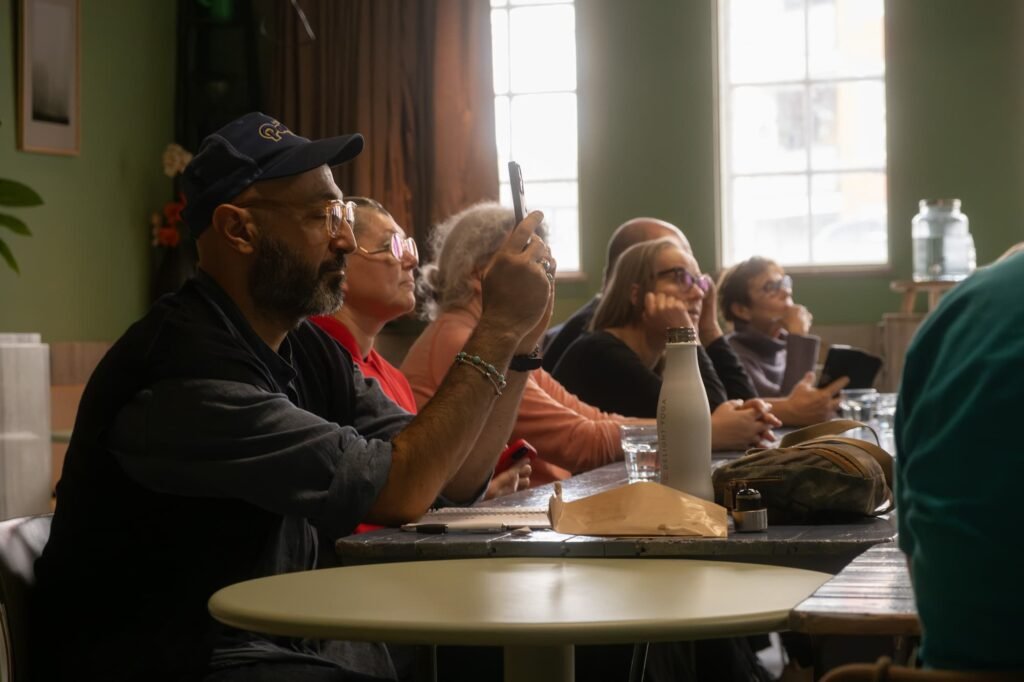
Along the way, participants taste and compare umami-rich ingredients and explore how flavour can be shaped through simple culinary exercises.
The workshop concludes with one question: What is your own umami?
Who Is This For?
This experience is designed for curious minds interested in food, culture, history, science, and the ways taste connects people, places, and memories.
It may be particularly relevant for:
- Food enthusiasts and cultural explorers
- People curious about how taste shapes culture
- Museum and library audiences
- Educators, researchers, and communicators
- Lifelong learners
Practical Information
| Item | Details |
|---|---|
| Duration | 90 minutes |
| Language | English |
| Participants | 8–20 people |
| Minimum booking | 8 participants |
| Venue | On-site or by arrangement |
| Dietary considerations | Vegetarian options available |
| Allergies | Please contact in advance |
| Fee | Upon request |
Facilitator Profile
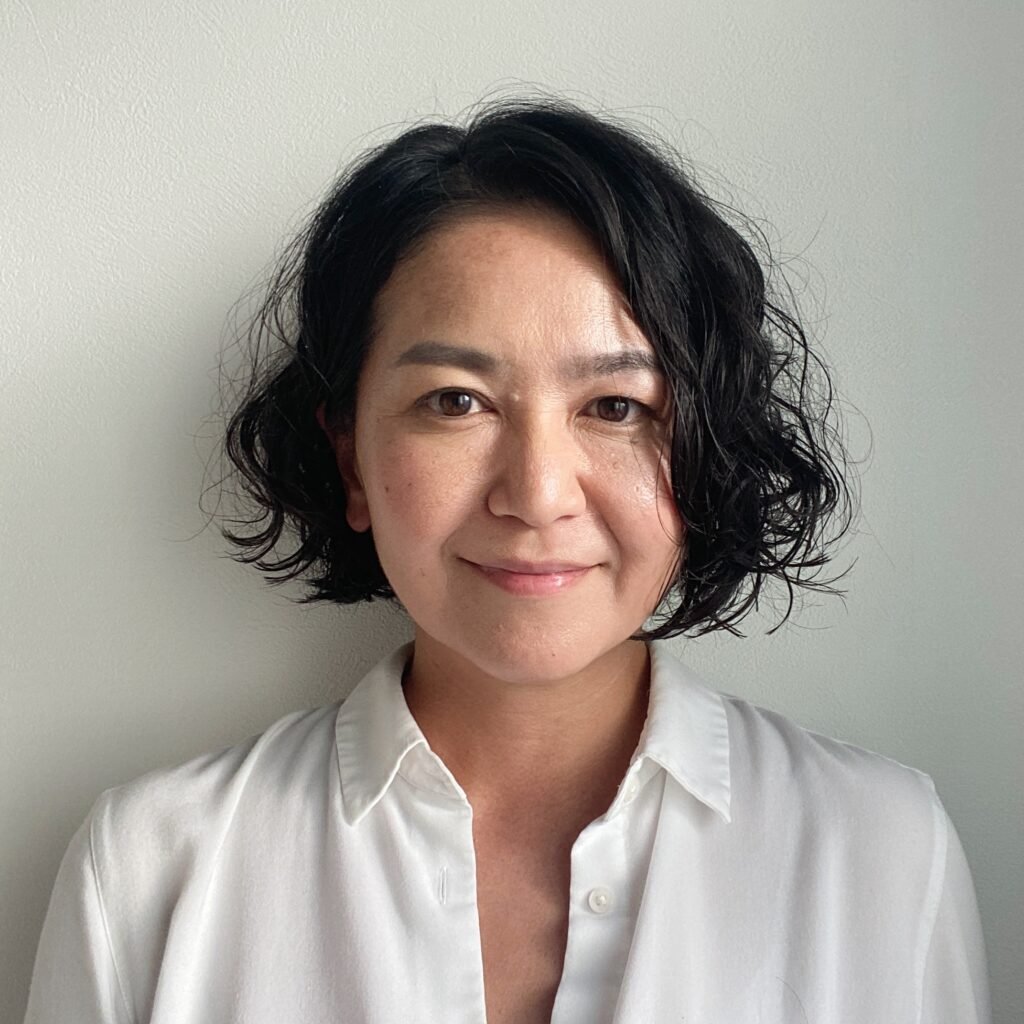
Kumi Matsushita is an Umami Expert / Curator based in the Netherlands.
Kumi Matsushita is an independent researcher, curator, and speaker exploring food, culture, memory, and wellbeing through the lens of umami.
Her work brings together history, science, and lived experience to examine how taste shapes the ways people understand themselves and the world around them.
This workshop can be adapted for cultural organizations, museums, libraries, educational institutions, festivals, and private groups.